So you’ve made the switch to cast iron cookware—great choice! But now you might be wondering: how do I keep this thing in good condition? While cast iron has a reputation for being high-maintenance, the truth is, it’s incredibly easy to care for once you understand a few simple principles.
In this post, I’ll break down everything you need to know about caring for your cast iron cookware. From seasoning and cleaning to preventing rust and restoring neglected pans, I’ve got you covered. Whether you’re new to cast iron or just want a refresher, these tips will help you get the most out of your kitchen workhorse.
If you haven’t already, be sure to read my previous post about the top 5 reasons why you should make the switch from non-stick cookware to cast iron!
Let’s explore the five basics of cast iron care—it’s easier than you think! Wondering what piece to start with? I’ll list some recommendations in this post for a few of my favorites for you to try.
Don’t forget to like this post and subscribe to be notified of future posts!
Some of the links on this website are affiliate links, which means I may earn a small commission if you make a purchase through them at no additional cost to you. As an Amazon Associate, I earn from qualifying purchases. This helps support the maintenance of this site and allows me to continue providing helpful content. Thank you for your support!
1. Seasoning: Building That Natural Nonstick Barrier
Seasoning is the process that gives cast iron its signature nonstick surface. It involves baking a thin layer of oil onto the pan to create a hardened, polymerized coating. A polymerized coating is a hard, durable layer that forms when oil or fat is heated to high temperatures and undergoes a chemical change—specifically, polymerization. The more you cook with your cast iron—especially using oil-rich foods—the better seasoned it becomes. The Lodge cast iron pieces that I have recommended come pre-seasoned. Though, in my experience, it does still take some time to build an ideal nonstick coating. But trust me, you can do it!
To season a pan, simply coat the surface with a light layer of oil (I prefer avocado oil), then bake it upside-down in a 450°F oven for about an hour. Make sure to have something under you skillet to catch any oil drips. Let it cool in the oven. Repeat as needed, especially if your pan starts to feel sticky or lose its sheen. Think of seasoning as both protection and performance enhancement—it’s what turns cast iron into your best kitchen companion.
My favorite egg or breakfast skillet -> Lodge 8 Inch Cast Iron Pre-Seasoned Skillet

2. Cleaning: No Soap, No Problem
Cleaning cast iron is one of the biggest sources of confusion. Many people mistakenly think it can’t be cleaned properly without damaging the seasoning. But the reality is, it’s super simple. After cooking, let the pan cool slightly, then use hot water and a stiff brush or chainmail scrubber to remove food bits. Avoid soaking and never put cast iron in the dishwasher.
If something really sticks, you can add some kosher salt as a scrub or boil a little water in the pan to loosen the residue. Most importantly, dry your pan immediately after washing—any leftover moisture is an open invitation for rust. Once dry, rub it with a drop of oil to keep the seasoning fresh and your pan protected.
An easy way to make sure all of the moisture has evaporated is to put the piece back onto a medium to high stove burner. Once it’s completely dry, add your avocado oil and wipe the inside down with a paper towel. A think coat is all you need!
My favorite skillet for cooking meat (like ground beef) -> Lodge 12 inch Cast Iron Skillet
3. Rust Prevention: Keep It Dry and Oiled
Rust is the enemy of cast iron, but it’s completely preventable. The biggest culprit? Water. Even a few drops left sitting can start the oxidation process. After washing and drying your cast iron, always apply a thin layer of oil before storing it. This keeps moisture out and seasoning strong.
If you’re storing cast iron in a humid environment, like under the sink or in a closed cupboard, place a paper towel inside the pan to absorb moisture. You can also nest pans with a sheet of parchment paper between them to protect the surfaces. With just a little routine care, rust will never be an issue.
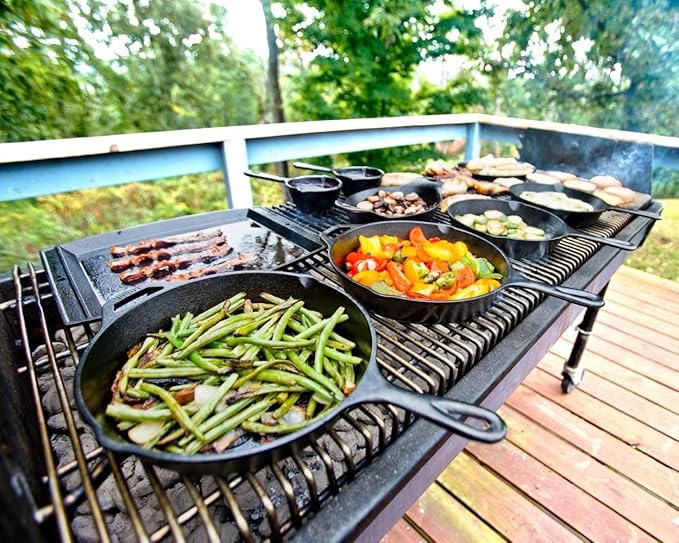
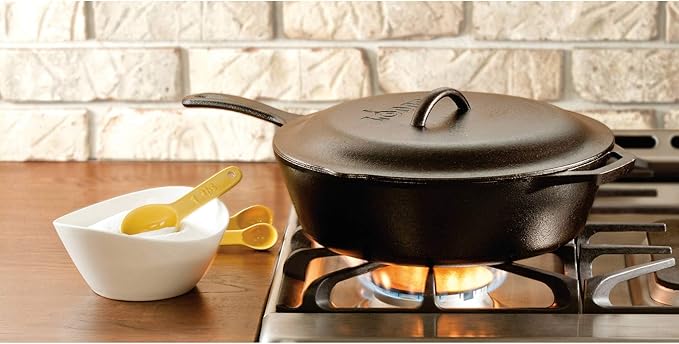
My favorite pan for bacon -> Lodge 5 Quart Pre-Seasoned Cast Iron Deep Skillet with Lid
4. Restoring Old or Neglected Pans
Inherited a rusty old skillet? Don’t toss it—restore it! Even the most weathered cast iron can come back to life with a bit of effort. Start by scrubbing off the rust using steel wool or a cast iron restoration tool. You want to remove all rust and loose debris until you’re back to bare metal.
Once clean, wash the pan thoroughly and dry it well. Then re-season it just like a new pan: apply oil and bake at a high temperature for an hour. Repeat the seasoning step two or three times to rebuild the surface. With a little elbow grease, that sad old skillet can become a treasured workhorse once again.
My favorite casserole baking dish -> Lodge 9″x13″ Cast Iron Casserole

5. Everyday Maintenance Tips to Keep It Pristine
Taking care of cast iron doesn’t have to be a chore. In fact, the more you use it, the less maintenance it needs. After each use, just remember the basic rhythm: wash, dry, oil. Avoid cooking acidic foods like tomatoes early on, as they can weaken the seasoning, but once your pan is well-seasoned, go for it.
Store your cast iron in a dry, accessible place so you’re encouraged to use it regularly. The beauty of cast iron is that it loves to be used—and with each use, your seasoning improves. Keep a small jar of your favorite oil and a rag or paper towel nearby for quick touch-ups, and your pan will reward you with decades of dependable service.
My favorite homemade bread pan -> Lodge Cast Iron Loaf Pan 8.5×4.5 Inch

Cast iron cookware may seem intimidating at first, but once you understand its needs, it becomes one of the most reliable and rewarding tools in your kitchen. Caring for cast iron isn’t about complicated routines—it’s about consistency, simplicity, and respect for the material.
With the tips you’ve just read, you can confidently clean, season, and maintain your cast iron so it lasts a lifetime (or more). From daily use to long-term storage, these habits ensure your cookware stays beautiful, functional, and always ready for the next delicious meal. Follow along for part two on how to take care of these skillets. Make sure to like this post and subscribe to my blog to be notified when it posts!
Transitioning from nonstick to cast iron cookware may seem like a big change, but it’s one that rewards you in so many ways. From the health benefits of chemical-free cooking to the joy of using a piece of cookware that will last a lifetime, the advantages of cast iron are simply too good to ignore.
If you’re ready to invest in your cooking skills, your health, and your kitchen’s overall sustainability, now is the perfect time to make the swap. Embrace the classic, time-tested charm of cast iron—you’ll soon wonder how you ever cooked without it.
My Wishlist – the top 5 pieces that I would love to add to my collection:
- Lodge Cast Iron Dutch Oven with Dual Handles, Pre-Seasoned, 5-Quart
- Lodge 15.2 Ounce Cast Iron Melting Pot
- Lodge Cast Iron Pizza Pan, 15 inch
- Lodge Cast Iron Pie Pan 9 Inch
- Lodge Cast Iron 2 Piece Muffin Pan Set
My top 6 accessory recommendations:
- Lodge Silicone Hot Handle Holder – I recommend having 2 on hand
- Lodge 6.25″ Burger Press
- Lodge SCRBRSH Scrub Brush, 10-Inch
- Lodge Silicone Assist Handle Holder
- Scotch-Brite Stainless Steel Scrubber
- 365 by Whole Foods Market, Avocado Oil
#CastIronCare #SeasoningCastIron #HowToCleanCastIron #CastIronSkilletTips #RustFreeCastIron #KitchenMaintenance #CastIronRestoration #NoMoreRust #EasyCastIronCare #CookingWithCastIron #BackToBasicsCooking #CastIronSeasoning #CastIronLove #NonstickNaturally #SustainableCookware #HomemadeMeals #CookwareTips #CastIronCooking #KitchenEssentials #TimelessCookware






 Coast to Coast Travel
Leave a comment