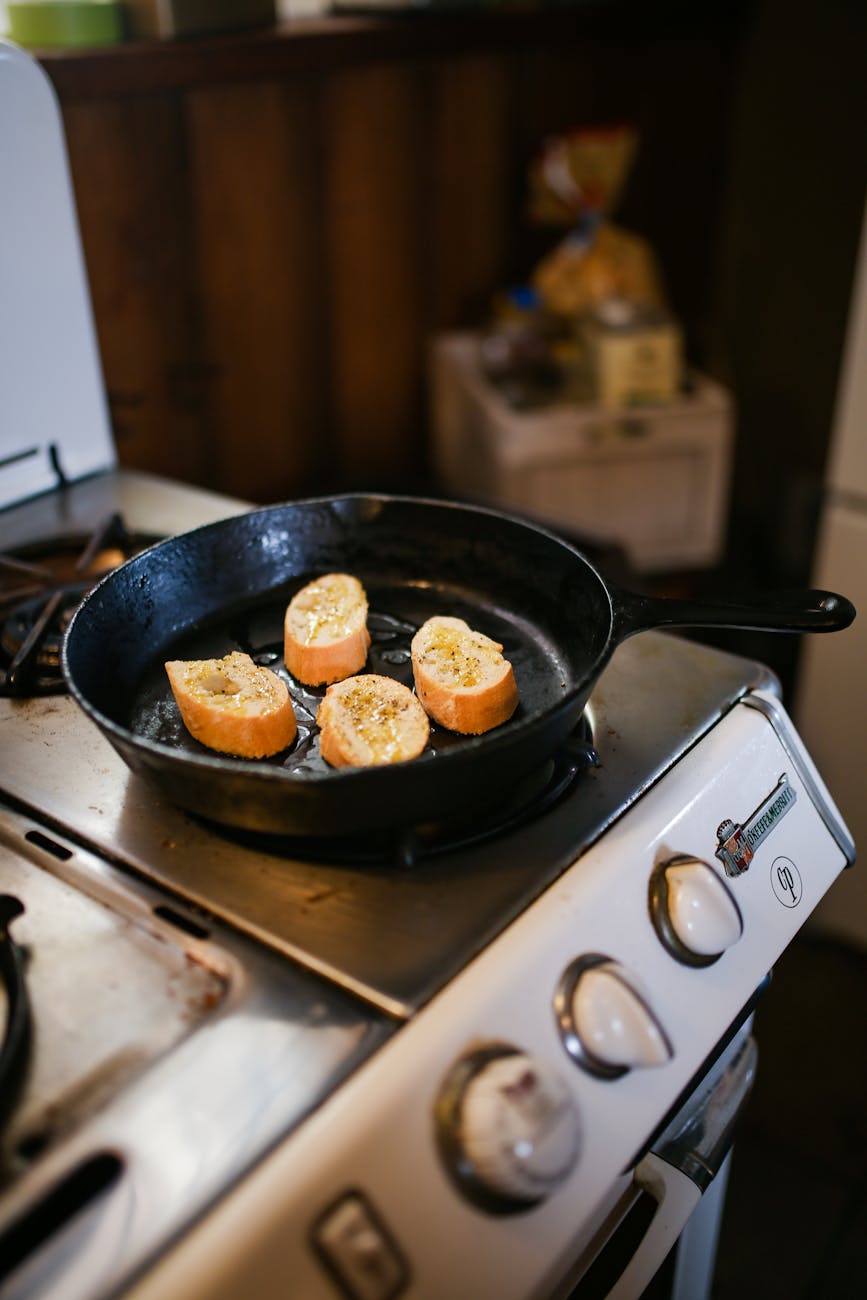
In today’s kitchen, nonstick cookware often steals the spotlight with promises of easy clean-up and low-fat cooking. But beneath that smooth surface lies a host of concerns that have more people rethinking what they cook with every day. If you’ve ever wondered whether there’s a better option for your health, your wallet, and your food quality, the answer might just be hiding in plain sight: cast iron.
Switching from nonstick pans to cast iron can feel intimidating at first, but once you learn about the many benefits, you’ll realize it’s one of the smartest and most rewarding kitchen swaps you can make. I switched all of my skillets to cast iron within the last year and it’s been great! I feel much better about using a non-toxic material without tiny pieces of coating flaking off into my food. And they are actually surprisingly easy to care for (and budget friendly)!
Let’s dive into five major reasons why making the switch to cast iron is not just a trend—it’s a lifestyle upgrade that truly makes a difference. I’ll list some recommendations in this post for a few of my favorites for you to try.
Don’t forget to like this post and subscribe to be notified of future posts!
Some of the links on this website are affiliate links, which means I may earn a small commission if you make a purchase through them at no additional cost to you. As an Amazon Associate, I earn from qualifying purchases. This helps support the maintenance of this site and allows me to continue providing helpful content. Thank you for your support!
1. Healthier Cooking Without Harmful Chemicals
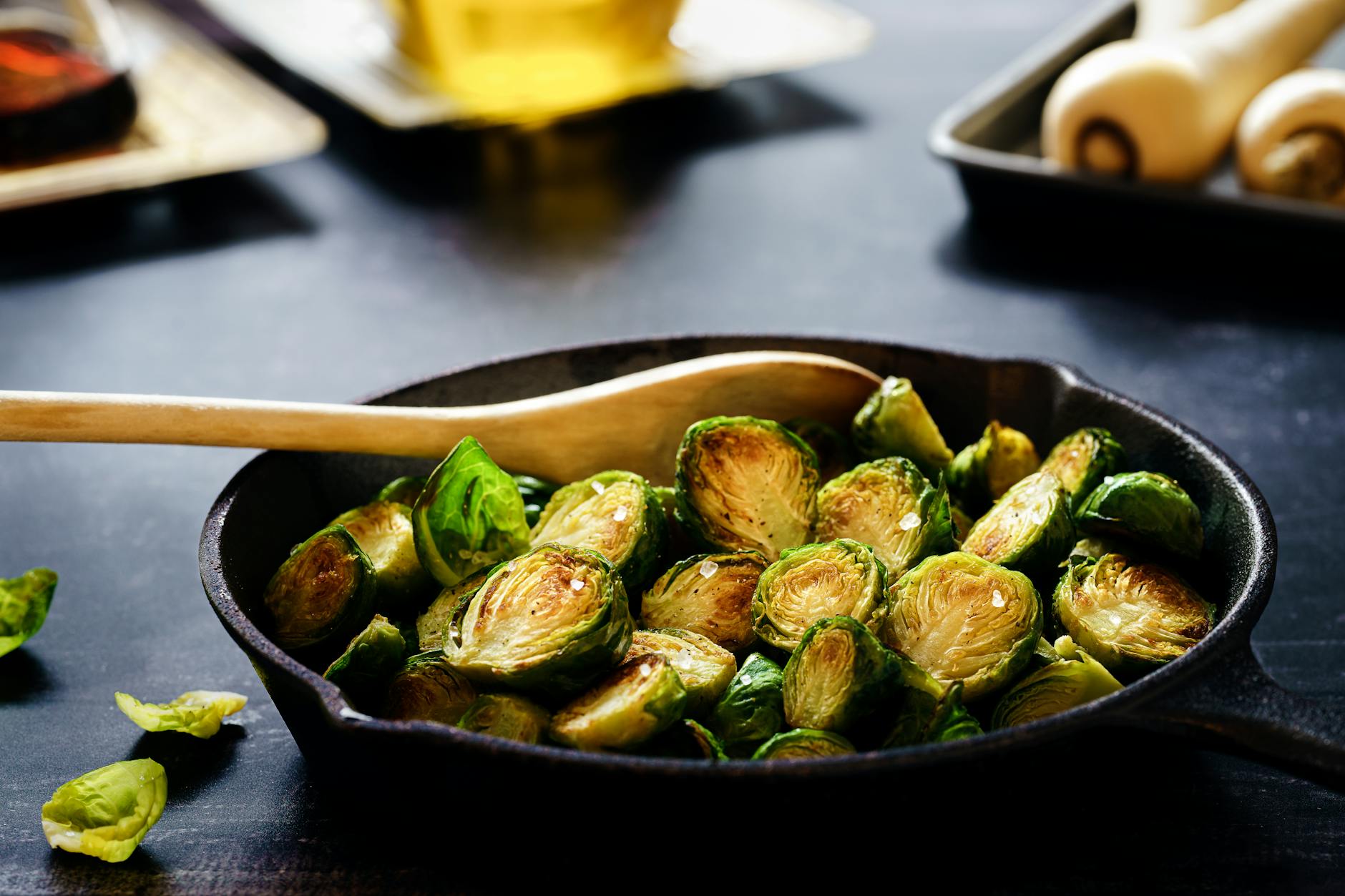
Nonstick cookware is typically coated with synthetic materials like polytetrafluoroethylene (PTFE), commonly known as Teflon. When overheated, these coatings can break down and release potentially harmful fumes into your kitchen air. Studies have raised concerns about long-term exposure to these chemicals, especially when pans become scratched or damaged. By contrast, cast iron cookware is made of pure, seasoned metal, containing no synthetic coatings that could pose a health risk.
Cooking with cast iron means you can completely avoid unwanted chemicals leaching into your meals. In fact, cast iron can actually add a small, beneficial amount of dietary iron into your food—a mineral many people need more of. Especially for those aiming to reduce toxin exposure at home, cast iron offers a naturally safe alternative that supports both clean eating and peace of mind.
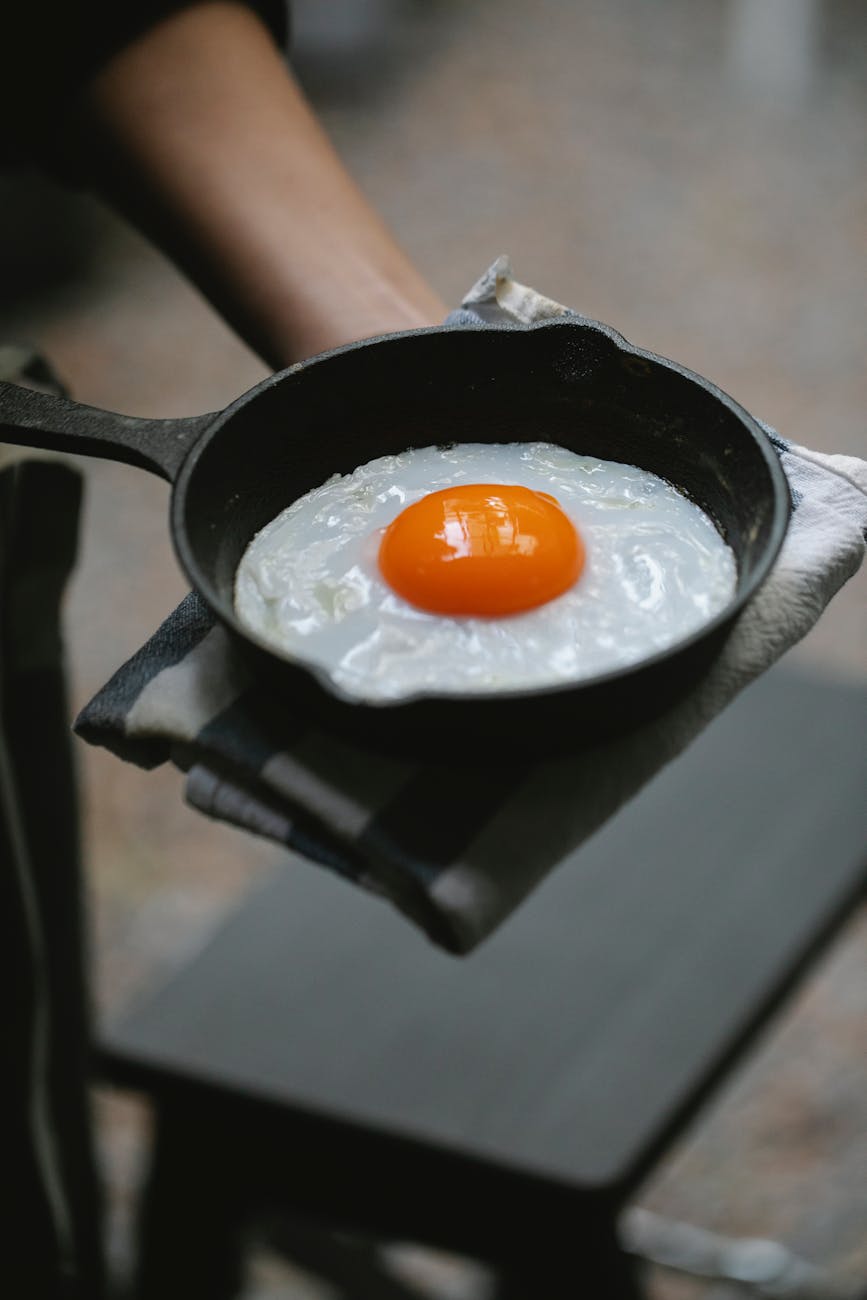
My favorite egg or breakfast skillet -> Lodge 8 Inch Cast Iron Pre-Seasoned Skillet
2. Unmatched Durability and Longevity
One of the biggest drawbacks of nonstick cookware is how easily it wears out. Even with careful use, nonstick pans typically last only a few years before scratches, warping, and coating deterioration set in. My usually lasted about a year, and we always used a non-metal cooking utensil. Cast iron, on the other hand, is famous for its incredible durability. A well-cared-for cast iron pan can literally last for generations—and often gets better with age.
This longevity means fewer purchases over time, making cast iron a cost-effective investment. Instead of tossing out a frying pan every few years, you can enjoy the same skillet your grandparents used. Plus, there’s something deeply satisfying about cooking with a piece of kitchen history that improves with every use.
Honestly, I paid less for each of my cast iron pieces than I ever did a non-stick. And I know they will last much longer. Talk about budget friendly!
My favorite skillet for cooking meat (like ground beef) -> Lodge 12 inch Cast Iron Skillet
3. Superior Heat Retention and Even Cooking
Nonstick pans may heat up quickly, but they often do so unevenly, leading to frustrating hot spots and undercooked areas. Cast iron is different. Thanks to its dense, heavy material, cast iron retains and distributes heat more consistently. Once heated, a cast iron pan maintains its temperature remarkably well, which is perfect for searing meats, baking cornbread, or slow-cooking savory dishes.
The even cooking surface of cast iron helps you achieve better culinary results, whether you’re making a perfectly crisp grilled cheese sandwich or a golden, caramelized steak. Mastering heat control becomes easier too, because the pan’s retained warmth helps maintain a steady cooking temperature—something that can make all the difference for home chefs.
It takes practice figuring out the heat, but I promise, if I can do it, so can you!
My favorite pan for bacon -> Lodge 5 Quart Pre-Seasoned Cast Iron Deep Skillet with Lid
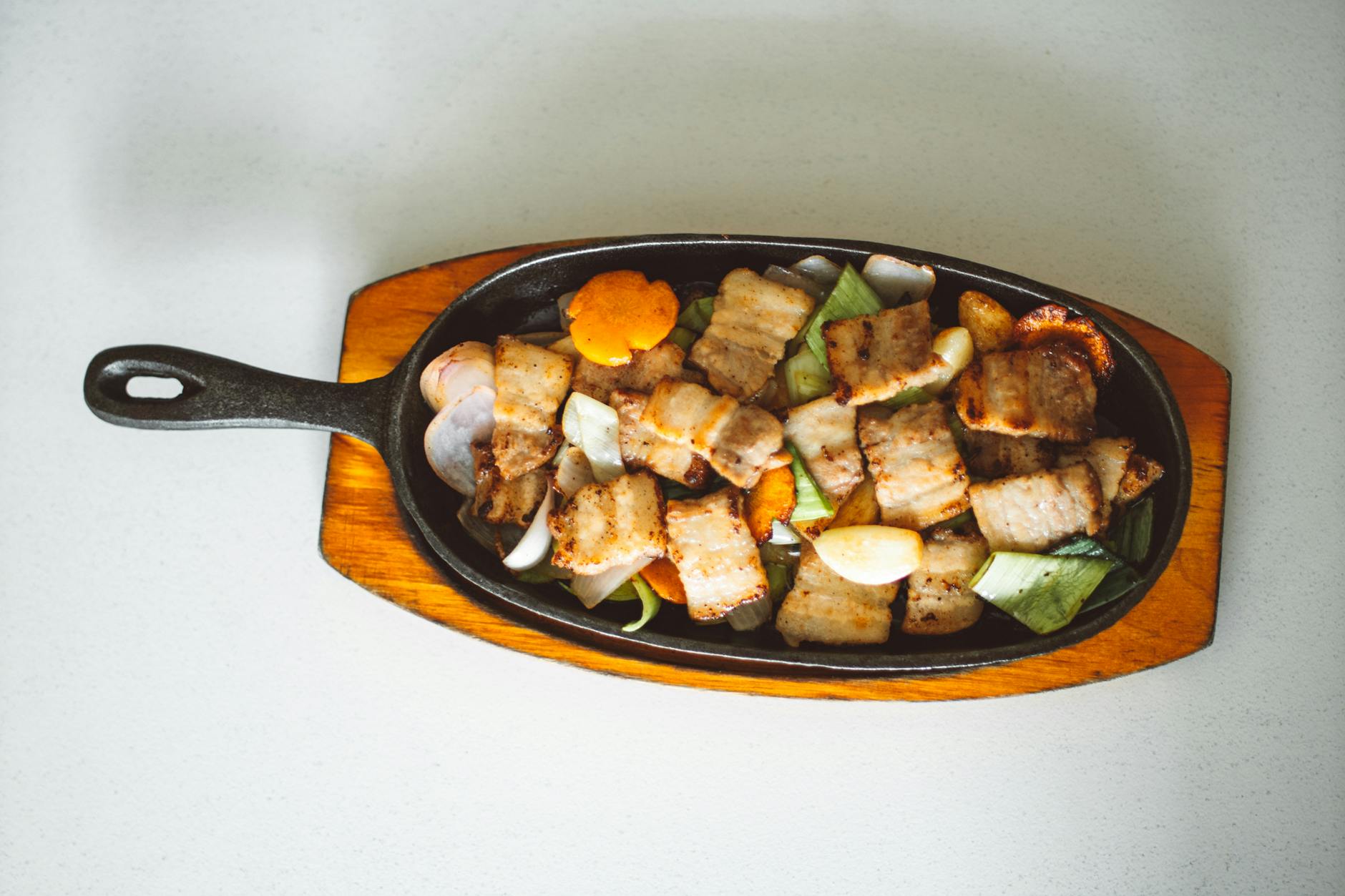
4. Incredible Versatility in the Kitchen (and Beyond)
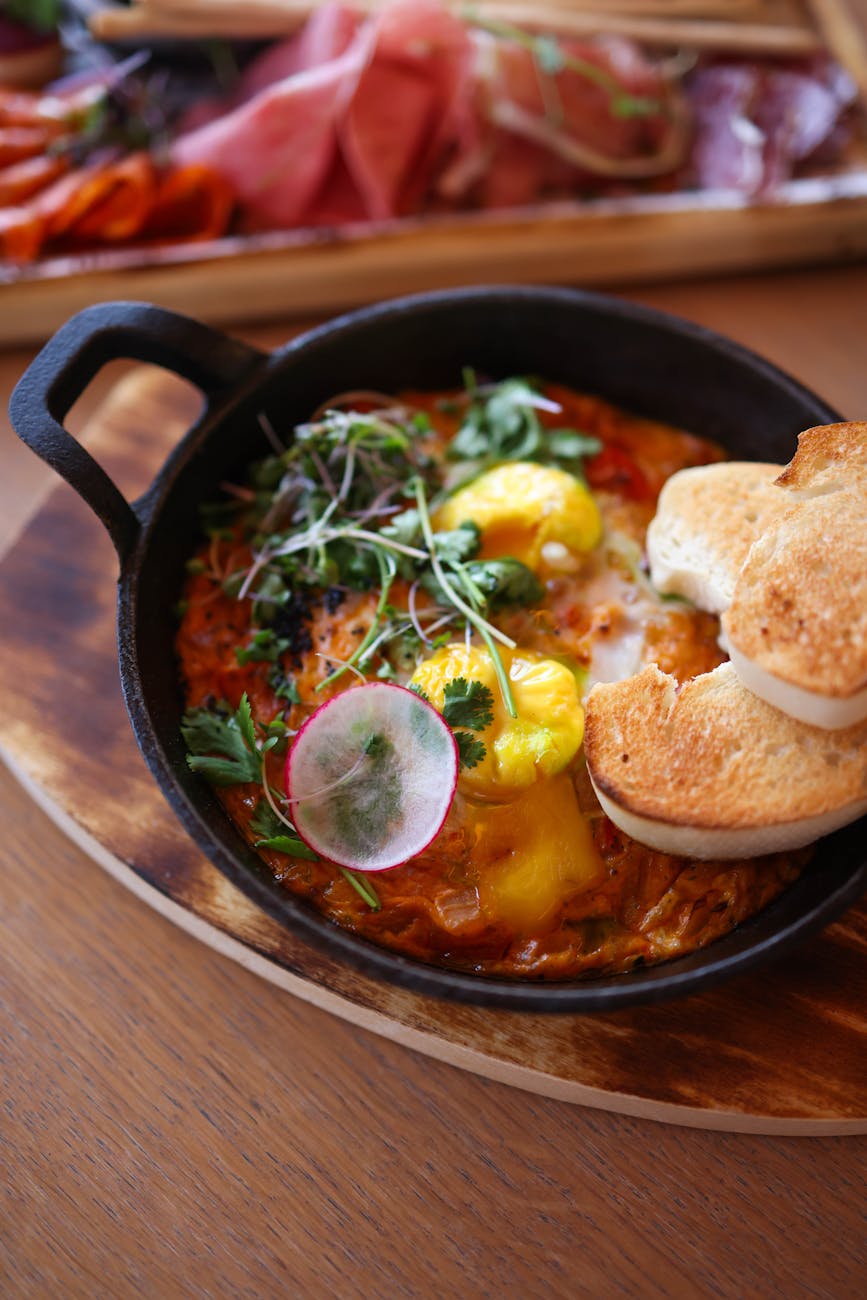
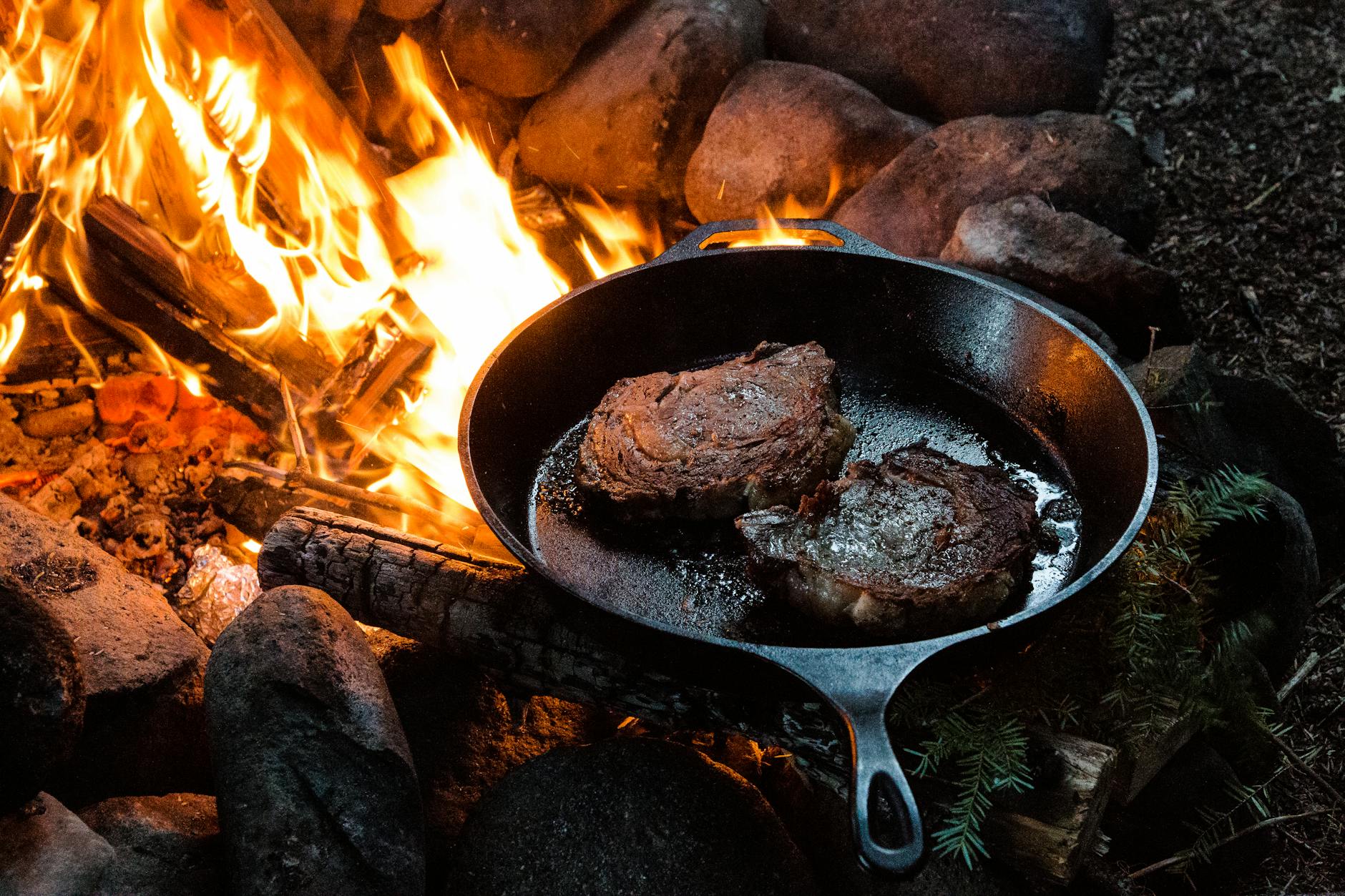
Nonstick pans are usually limited to stovetop use and can’t handle the high temperatures needed for oven cooking or broiling. Cast iron, on the other hand, shines in its versatility. You can use it on the stove, in the oven, over a campfire, or even on a grill. It’s perfect for dishes that require searing and then baking, like frittatas or skillet pies.
This flexibility means you need fewer pans overall, streamlining your kitchen setup. Imagine preparing a hearty breakfast of eggs and bacon, baking a rustic apple crisp, and roasting a whole chicken—all with the same piece of cookware. Cast iron empowers you to expand your cooking repertoire with fewer tools, making it ideal for both beginners and seasoned chefs alike.
My favorite casserole baking dish -> Lodge 9″x13″ Cast Iron Casserole
5. Natural Nonstick Surface That Improves Over Time
One of the biggest selling points of nonstick cookware is, of course, its slick surface. However, seasoned cast iron naturally develops its own nonstick coating over time—without any synthetic chemicals. Through a process called polymerization, oils baked into the surface form a strong, smooth layer that releases food easily and resists rust.
The more you use and care for your cast iron, the better its nonstick abilities become. Rather than degrading like commercial coatings, a seasoned cast iron pan improves, providing an excellent nonstick surface that’s safe, effective, and naturally sustainable. Plus, maintaining the seasoning is simple: just cook, wipe clean, and occasionally reapply a thin layer of oil. My choice oil is avocado oil.
My favorite homemade bread pan -> Lodge Cast Iron Loaf Pan 8.5×4.5 Inch
Now you’re asking, How do I care for my skillets? They are easy if not easier than caring for a non-stick coated pan. Follow along for part two on how to take care of these skillets. Make sure to like this post and subscribe to my blog to be notified when it posts!
Transitioning from nonstick to cast iron cookware may seem like a big change, but it’s one that rewards you in so many ways. From the health benefits of chemical-free cooking to the joy of using a piece of cookware that will last a lifetime, the advantages of cast iron are simply too good to ignore.
If you’re ready to invest in your cooking skills, your health, and your kitchen’s overall sustainability, now is the perfect time to make the swap. Embrace the classic, time-tested charm of cast iron—you’ll soon wonder how you ever cooked without it.
My Wishlist – the top 5 pieces that I would love to add to my collection:
- Lodge Cast Iron Dutch Oven with Dual Handles, Pre-Seasoned, 5-Quart
- Lodge 15.2 Ounce Cast Iron Melting Pot
- Lodge Cast Iron Pizza Pan, 15 inch
- Lodge Cast Iron Pie Pan 9 Inch
- Lodge Cast Iron 2 Piece Muffin Pan Set
My top 6 accessory recommendations:
- Lodge Silicone Hot Handle Holder – I recommend having 2 on hand
- Lodge 6.25″ Burger Press
- Lodge SCRBRSH Scrub Brush, 10-Inch
- Lodge Silicone Assist Handle Holder
- Scotch-Brite Stainless Steel Scrubber
- 365 by Whole Foods Market, Avocado Oil
#CastIronCooking #DitchNonstick #HealthyCooking #KitchenUpgrade #CastIronSkillet #CookwareSwap #NonstickAlternative #DurableCookware #ChemicalFreeCooking #SustainableKitchen #HomemadeMeals #SeasonedCastIron #TimelessCookware #BackToBasics #HomeChefLife #OvenToTable #EcoFriendlyKitchen #CookingTraditions #RealFoodCooking #KitchenEssentials






 Coast to Coast Travel
Leave a comment